
The Right Nutrition for Your Eye Health
Your eyes work harder than almost any other organ in your body.
They process millions of signals every day. Like the rest of your body, they depend on proper nutrition to function at their best. While regular eye exams remain essential for catching problems early, what you eat plays a powerful role in protecting your vision for the long term.
Vitamin A and Beta-Carotene
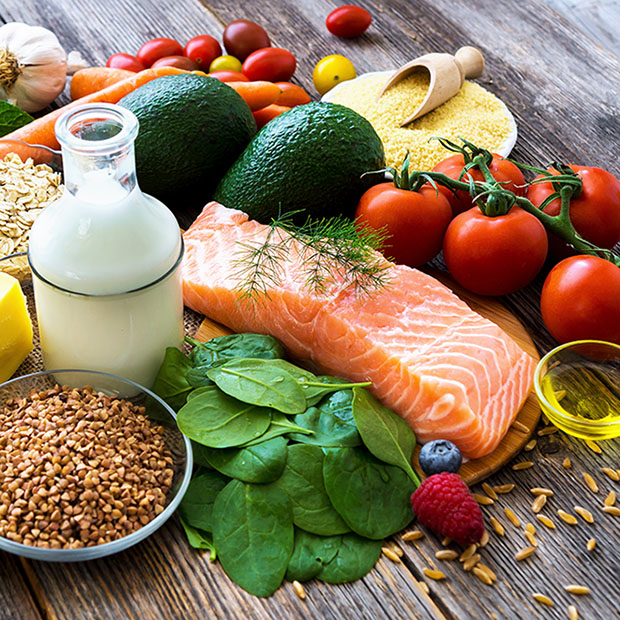
Vitamin A has long been associated with eye health, and for good reason. It’s a key component of rhodopsin, a protein that allows your eyes to see in low light. A deficiency can lead to night blindness and, in severe cases, more serious vision problems. Carrots are the classic source, but sweet potatoes, spinach, and kale also deliver strong doses of beta-carotene, which your body converts into vitamin A.
Omega-3 Fatty Acids
The retina contains a high concentration of DHA, a type of omega-3 fatty acid, making these healthy fats especially important for vision. Omega-3s have also been linked to reduced risk of dry eye syndrome and may help slow the progression of age-related macular degeneration. Fatty fish like salmon, mackerel, and sardines are excellent sources. For those who don’t eat fish, walnuts, flaxseed, and chia seeds offer plant-based alternatives.
Lutein and Zeaxanthin
These two antioxidants concentrate directly in the retina and lens, where they act like natural sunglasses, filtering harmful blue light and reducing oxidative stress. Studies suggest diets rich in lutein and zeaxanthin may lower the risk of cataracts and macular degeneration. You’ll find them in dark leafy greens like spinach and kale, as well as in eggs, corn, and orange peppers.
Vitamin C and Vitamin E
Both of these vitamins are powerful antioxidants that help protect the eyes from free radical damage, a process linked to cataracts and age-related vision decline. Citrus fruits, strawberries, and bell peppers are packed with vitamin C, while almonds, sunflower seeds, and avocados provide vitamin E. Together, these nutrients help support the health of blood vessels in the eyes and may slow the progression of certain degenerative conditions.
Zinc
Zinc plays a supporting role by helping transport vitamin A from the liver to the retina, where it’s needed to produce melanin, a protective pigment in the eyes. Oysters, beef, poultry, and legumes like chickpeas and lentils are all good sources of zinc.
Building a Vision-Friendly Diet
The good news is that eye-healthy eating doesn’t require a complicated meal plan. Focus on a colorful variety of fruits and vegetables, incorporate fish a couple of times a week, and choose nuts and seeds as snacks instead of processed alternatives. Staying hydrated also supports tear production and overall eye comfort.
Nutrition is one piece of the puzzle when it comes to protecting your eyesight. Combined with regular eye exams, protective eyewear, and healthy screen habits, a nutrient-rich diet can help you maintain clear, comfortable vision for years to come.